top of page


.png)
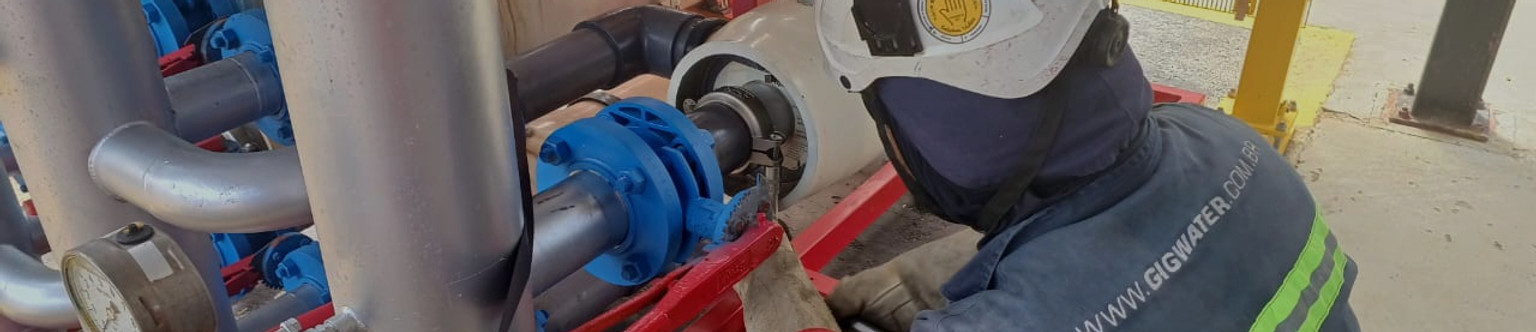
COMMISSIONING OF WATER AND WASTEWATER TREATMENT SYSTEMS
A treatment system may be perfectly designed, meticulously manufactured, and assembled on-site, but none of this guarantees that it will function as expected the first time water flows through it. This is where commissioning comes in—the phase that transforms idle equipment into an operational, stable, and efficient plant.
At GIGWATER, equipment commissioning is a structured process that begins before startup, with pre-commissioning checklists, integrity tests, instrument calibration, and verification of automation logic. Next, we perform an assisted equipment startup, fine-tune operational parameters (setpoints, process times, chemical dosages), and conduct performance tests that verify treatment efficiency. All of this is accompanied by training for your team and intensive technical support during the initial operation period.
LEARN MORE ABOUT OUR COMMISSIONING SERVICES
DEVELOPMENT OF
COMMISSIONING PLANS
We prepare documents that include the scope, schedule, step-by-step procedures, and acceptance criteria for each piece of equipment and for the system as a whole. The plan is reviewed and approved in collaboration with the client before the team is deployed.
INSTRUMENT CALIBRATION AND AUTOMATION TESTS
We calibrate all system instruments in the field. We then perform comprehensive tests of the control logic in the PLC and in the SCADA or IoT supervisory system. The logic is simulated with field signals prior to actual operation.
ASSEMBLY INSPECTION
AND PRE-COMMISSIONING
We check the tightness of mechanical connections, the alignment of pumps and motors, the integrity of welds, the tightness of flanges and valves, electrical connections, and the identification of cables, terminals, and instruments.
ASSISTED START-UP OF EQUIPMENT AND PROCESSES
We start the utility systems first. Next, we start isolated systems. Subsequently, we start the main systems in sequence. Each piece of equipment is turned on, monitored, and adjusted before proceeding to the next one.

OPERATIONAL
FINE-TUNING
We adjust controller setpoints, regulate process times, and optimize dosages. This fine-tuning can take anywhere from hours to days, depending on the complexity of the system and the variability of the raw effluent.
CHECKING INTERLOCKING
AND SAFETY SYSTEMS
We check all critical aspects, such as overpressure protection, overflow protection, safe start-up and shutdown sequences, and alarm systems. We test each interlock by simulating operating conditions and record the results.


OPTIMIZATION OF INITIAL SYSTEM PERFORMANCE
During the first few days of operation, we monitor all performance parameters. We compare the results obtained with the design values and make additional adjustments whenever necessary.
IDENTIFICATION AND CORRECTION
OF OPERATIONAL DEVIATIONS
Our team has the autonomy and expertise to identify the root cause of deviations and implement corrections on-site. If the correction requires a design change or new equipment, we document the non-conformity and propose an action plan.

bottom of page